Introduction:
In network marketing, the compensation plan you choose shapes everything from distributor motivation to long-term scalability. Among the many structures available, the Uni-level plan stands out for its simplicity and transparency. But while the model may look straightforward on paper, building the right software around it is where success truly begins.
Uni-level MLM software development is more than coding a payout formula. It’s about designing a system that can support growth, build trust, and eliminate operational friction. Before investing in development, it’s important to understand both the strengths and the challenges of going Uni-level.
What Is a Uni-level MLM Plan?
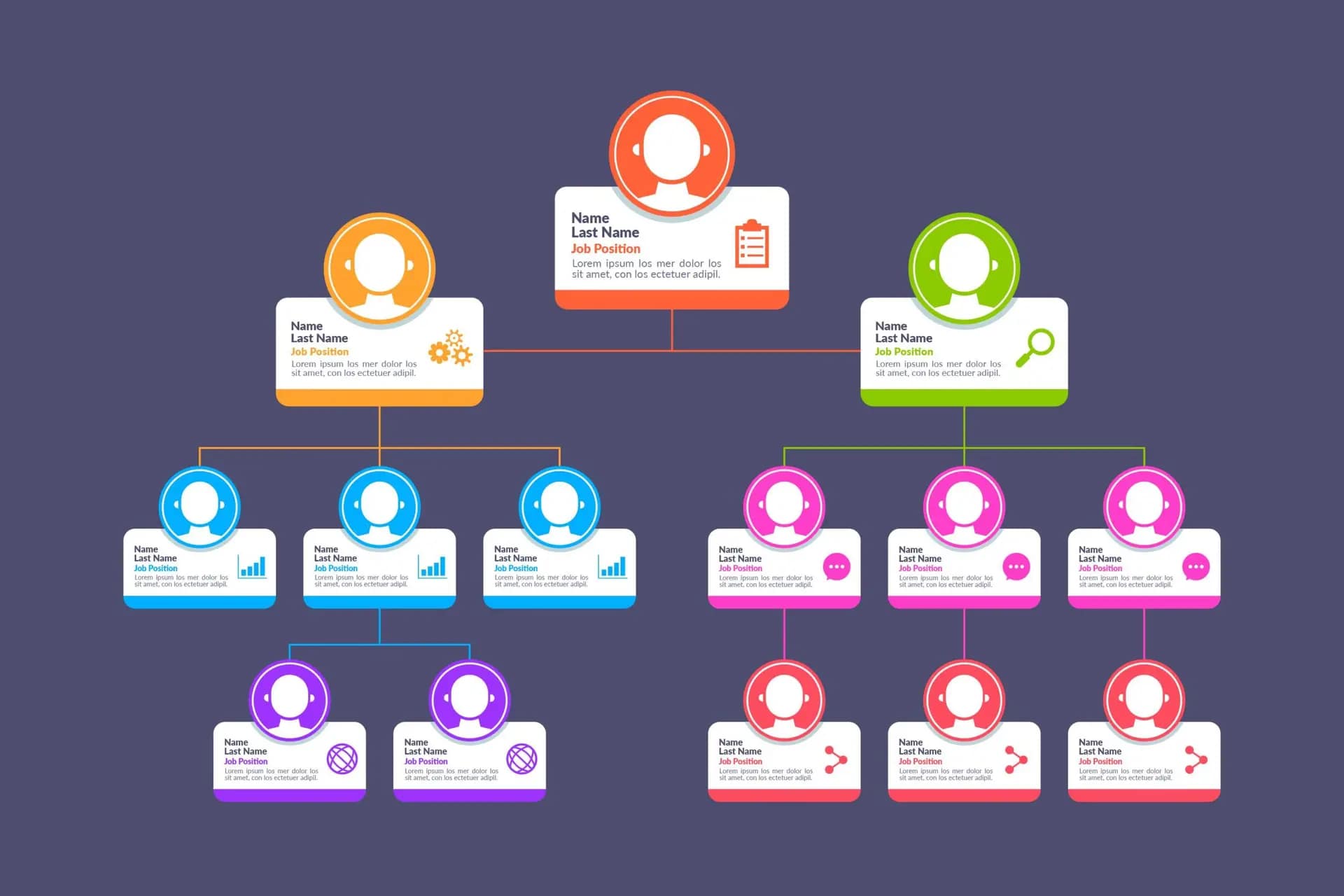
A Uni-level compensation plan allows distributors to sponsor an unlimited number of members directly under them (their frontline). Commissions are typically paid level by level for example, 5% on Level 1, 3% on Level 2, and so on up to a fixed depth.
Unlike binary or matrix structures, there are no width restrictions. This makes the Uni-level model appealing for companies that value flexibility and straightforward earning potential.
The Pros of Uni-level MLM Software Development:
1. Simple Commission Logic, Faster Deployment
From a technical standpoint, Uni-level plans are easier to map and calculate compared to binary balancing systems. The genealogy structure is linear and depth-based, reducing complex matching algorithms.
For business owners, this means:
- Faster development timelines
- Lower initial development costs
- Easier customization of percentage tiers
When your logic is clean, your software runs clean. And that clarity builds confidence among distributors who want transparency in earnings.
2. Unlimited Width Encourages Aggressive Growth
Because there’s no restriction on how many frontline members someone can sponsor, the system naturally motivates active recruitment.
From a software perspective, this reduces placement complications. There’s no “left leg” or “spillover confusion.” Every sponsor directly owns their recruits.
This clarity:
- Reduces support tickets
- Minimizes payout disputes
- Improves user experience
When distributors understand exactly how they earn, they stay longer.
3. Easier Genealogy Visualization
Uni-level tree views are generally more intuitive compared to binary trees.
Developers can design clean dashboards where members quickly see:
- Their direct referrals
- Earnings per level
- Growth trends
A well-designed Uni-level dashboard doesn’t overwhelm users. It guides them. That matters because not every distributor is tech-savvy.
4. Transparent Earning Structure Builds Trust
Uni-level structures make it easier for members to calculate potential earnings on their own. When the system reflects exactly what they expect, credibility increases.
From a development standpoint, fewer complex payout conditions mean:
- Fewer calculation errors
- Less risk of heavy database strain
- Cleaner audit trails
Transparency is easier to maintain when the structure itself is transparent.
The Cons of Uni-level MLM Software Development
1. Depth Can Create Heavy Commission Calculations
While Uni-level avoids width restrictions, it introduces depth complexity.
If your plan pays commissions 10, 15, or even 20 levels deep and you scale to tens of thousands of members commission runs can become computationally intensive.
Without proper optimization, you may face:
- Slower payout processing
- Database overload during commission cycles
- Performance lag
Developers must implement smart indexing, caching, and background processing to prevent bottlenecks. Skipping this step is where many startups struggle.
2. Income Dilution at Lower Levels
Because earnings are spread across many levels, commission percentages usually decrease as depth increases.
If not structured carefully, this can:
- Reduce motivation beyond early levels
- Encourage heavy frontline focus only
- Create uneven team development
From a system design standpoint, rank bonuses and performance pools must be integrated to maintain long-term engagement.
3. Risk of Frontline Overcrowding
If one leader personally sponsors hundreds of frontline members without proper support systems, those recruits may feel neglected.
Software must compensate for this by including:
- Automated onboarding flows
- Training modules
- Performance tracking alerts
Technology must fill the leadership gaps that naturally occur in wide structures.
4. Scaling Infrastructure Is Still Critical
Some entrepreneurs assume Uni-level plans are “lightweight.” That’s not entirely true.
As the network grows, genealogy queries across multiple levels can become heavy. Without scalable hosting (cloud architecture, auto-scaling servers), performance issues can appear during peak enrollment periods.
No matter how simple the compensation plan looks, infrastructure planning cannot be ignored.
Uni-level MLM software development is especially powerful when:
- You want a simple, easy-to-explain compensation model
- Your target audience includes first-time network marketers
- You prioritize transparency over complex bonus mechanics
- You want quicker go-to-market timelines
It’s a strong foundation for startups that want clarity and stability before layering advanced incentives.
Development Best Practices for Uni-level Success:
If you move forward with Uni-level MLM software, prioritize these essentials:
1. Optimized Commission Engine
Design payout calculations using asynchronous processing to avoid real-time strain.
2. Clear Rank Advancement Logic
Automate promotions based on both personal and team volume.
3. Strong Reporting Dashboard
Give distributors visual clarity on where income is coming from.
4. Mobile-First Design
Most field activity happens on smartphones. Your system must perform flawlessly there.
5. Built-in Compliance Tools
Tax reports, KYC integration, and payout documentation protect your company long term.
Conclusion:
Uni-level MLM software development offers a powerful balance of simplicity and scalability. It’s transparent, easy to explain, and motivating for distributors who value direct control over their growth.
But like any system, it requires thoughtful architecture, optimized databases, and scalable infrastructure to truly succeed.
The real question isn’t whether Uni-level is good or bad. The real question is whether it aligns with your business vision.
Technology should never limit your growth. It should quietly support it, calculating accurately, scaling smoothly, and empowering your leaders every step of the way.
When built correctly, Uni-level MLM software becomes more than a system. It becomes the steady engine behind a growing network, reliable, transparent, and ready for the next level.